
Lichen Planopilaris
Lichen planopilaris (LPP) is a rare inflammatory skin disease that causes scarring hair loss. This means that the hair that has fallen out will not regrow, because the inflammatory process damages the stem cells in the hair follicles and replaces them with scar tissue.
Lichen Planopilaris
Lichen planopilaris (LPP) is a rare inflammatory skin disease that causes scarring hair loss. This means that the hair that has fallen out will not regrow, because the inflammatory process damages the stem cells in the hair follicles and replaces them with scar tissue.
Lichen Planopilaris
Lichen planopilaris (LPP) is a rare inflammatory skin disease that causes scarring hair loss. This means that the hair that has fallen out will not regrow, because the inflammatory process damages the stem cells in the hair follicles and replaces them with scar tissue.
The disease is considered a variant of lichen planus, an autoimmune condition in which the immune system mistakenly attacks the body’s own cells.
Who gets lichen planopilaris?
Common mainly in women aged 40–60, but it can also appear in men and even in younger people Sometimes accompanied by involvement of the skin, the nails or the mucous membranes (mouth, genitals) An association has been found with underactivity of the thyroid gland and other autoimmune diseases
What causes the disease?
- The exact cause is unknown, but most researchers believe it is an autoimmune disease in which the immune system’s T cells attack antigens in the hair follicle. As a result the stem cells in the area are destroyed and the hair is unable to regrow.
- Additional possible factors:
- A genetic predisposition
- A reaction to medications
- Environmental or infectious triggers
- A deficiency of the PPAR-γ protein, which affects the function of the sebaceous glands
What are the symptoms?
- Scarring hair loss — irregular bald patches and smooth areas with no visible follicles
- Accompanying symptoms — itching, burning, pain, tenderness or a sensation of discomfort in the scalp
- Clinical findings — redness and scaling around active follicles; sometimes loose hair strands that are pulled out easily
- Common areas: the front of the scalp, the temples and the nape; in FFA — the frontal hairline; in GLS syndrome — also the armpit and groin
Diagnosis
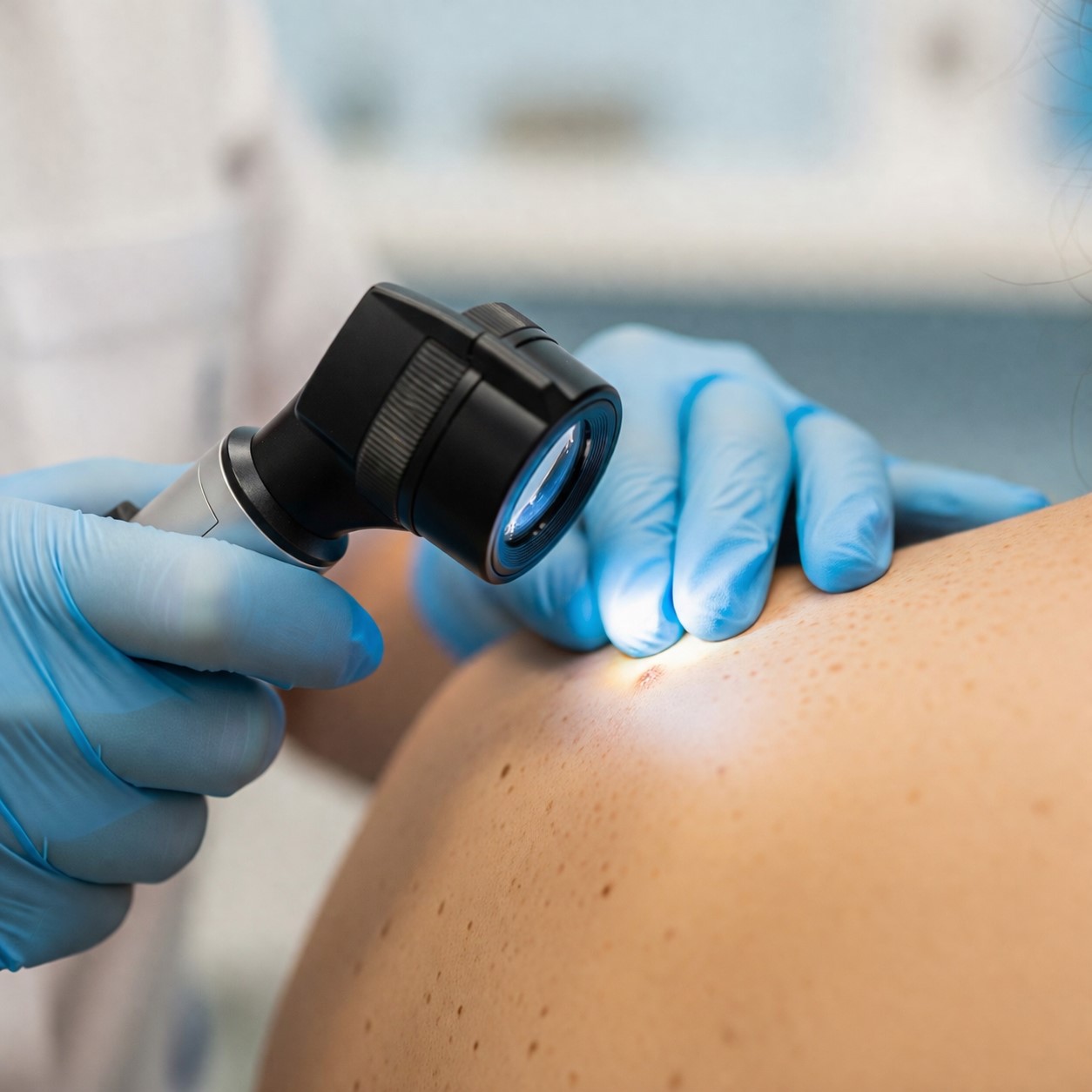
A clinical examination and dermoscopy
a characteristic appearance of absent follicular openings, white dots and scarring
A scalp biopsy
a tissue examination demonstrating lymphocytic inflammation around the follicle, degeneration of the basal cells and perifollicular fibrosis
The differential diagnosis includes other conditions of scarring alopecia such as discoid lupus, CCCA, folliculitis decalvans and more
Treatment
There is no treatment that restores hair that has been lost, so the goal is to halt the progression of the disease and reduce symptoms.
- Steroids — topical, injected or oral
- Anti-malarial medications
- Immunosuppressants
- Additional treatments
- At an advanced stage, aesthetic solutions such as wigs, hair simulation, or hair transplants may be considered (only after complete remission of the disease)
Prognosis
The disease progresses at a variable pace — sometimes rapid and sometimes slow over years Some patients experience periods of remission, but the scars remain Early treatment increases the chance of stabilising the disease and preserving healthy follicles
Three main forms
- Classic LPP — irregular hair loss, usually in the centre of the scalp or in lateral areas
- Frontal Fibrosing Alopecia — hair loss at the frontal hairline and temples, often with loss of the eyebrows
- Graham-Little-Piccardi-Lassueur syndrome (GLPLS) — scarring hair loss on the scalp combined with non-scarring loss in the armpit and groin, and sometimes the appearance of additional skin lesions
In summary
Lichen planopilaris is a condition that requires professional, individually tailored treatment. At our clinic we provide accurate diagnosis and advanced treatment, while safeguarding patient safety and giving continuous medical follow-up to achieve the best possible results.
Frequently asked questions
Common mainly in women aged 40–60, but it can also appear in men and even in younger people Sometimes accompanied by involvement of the skin, the nails or the mucous membranes (mouth, genitals) An association has been found with underactivity of the thyroid gland and other autoimmune diseases
The disease progresses at a variable pace — sometimes rapid and sometimes slow over years Some patients experience periods of remission, but the scars remain Early treatment increases the chance of stabilising the disease and preserving healthy follicles
You can book a personal consultation with Dr. Rimma Laufer Britva in Kfar Saba via the website form or a WhatsApp message. The consultation includes an accurate diagnosis and a personal treatment plan.